Hoshino Gakki began as a sheet-music shop in Nagoya, moved on to Spanish guitars, and ended up building the instrument that made a hundred thousand teenagers want to play faster. This page is my love letter to them.
A music publisher, a dead Spanish luthier, one very famous lawsuit — and then, in one year, everything.
The Hoshino family starts out selling sheet music, books and instruments. There is nothing about a bookshop that suggests it will one day supply guitars to every metal band on earth.
The Spanish builder's classical guitars sell well in Japan — well enough that the name becomes shorthand for a good guitar.
Ibáñez's workshop is destroyed and no more guitars arrive. Hoshino is left holding a valuable name and nothing to put it on.
Hoshino revives the name for its own instruments. "Ibanez" — Spanish-looking, Japanese-made — is now a brand, not a workshop.
Ibanez builds near-identical takes on Gibsons and Fenders for the export market. They are cheap, good, and legally precarious.
Norlin, then owner of Gibson, sends a cease-and-desist over the headstock. The "lawsuit era" is remembered as a court case; in reality it was mostly a letter. Either way, Ibanez stops copying and starts designing.
Ibanez puts out the TS808. A pedal with a hump in the middle of its response becomes the sound of blues rock, then of everything else.
The RG, the JEM with Steve Vai, the S series and the Soundgear bass all arrive. Thin necks, 24 frets, HSH pickups, dive-bomb tremolos: the shred guitar gets its standard.
Built with Vai, it turns the seven-string from a novelty into a serious instrument. Within a decade, drop-tuning a seven is normal.
Ibanez builds a modern Stratocaster — roasted maple, stainless frets, a tremolo that actually stays in tune. The company that copied Fender finally answers it.
The spec sheet that turned a mid-priced Japanese brand into the default shred guitar.
Six shapes that cover everything from dive bombs to jazz chords.
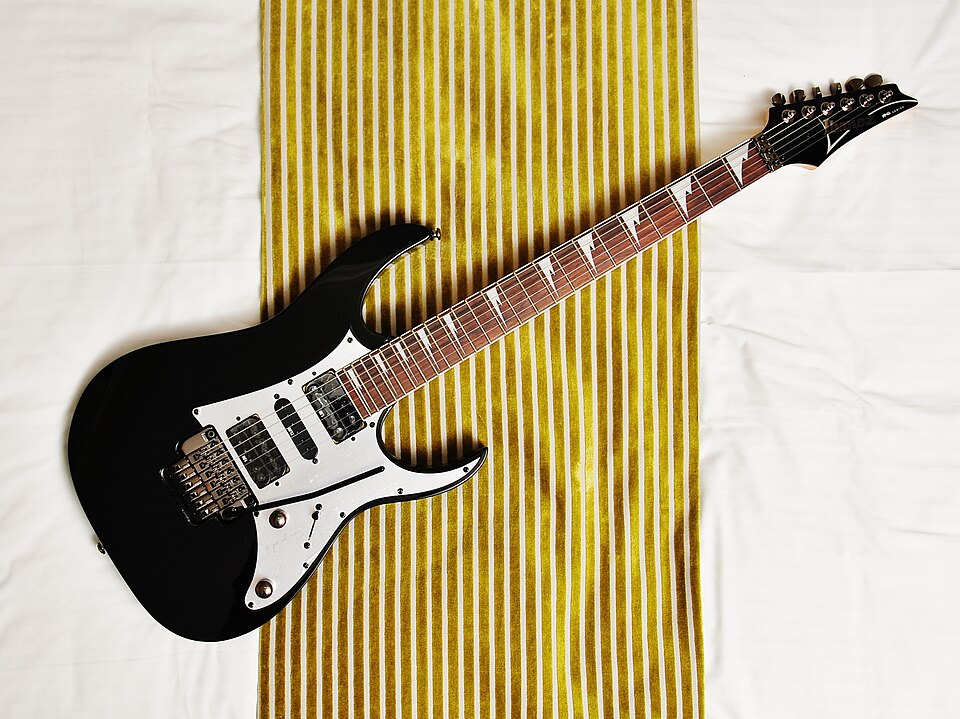
Wizard neck, 24 frets, HSH, a tremolo that dives until the strings go slack. The RG made world-class shred hardware affordable, and half the metal records you own started on one.
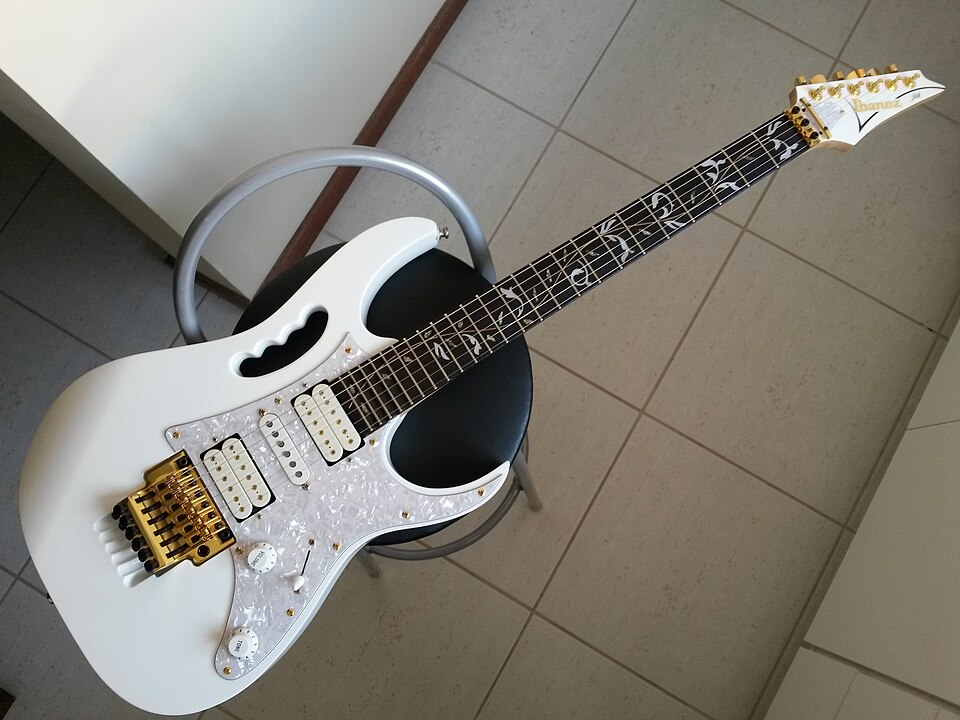
Monkey grip, vine inlay, lion's-claw tremolo rout. The first genuinely great shred signature and still the most imitated — a guitar that looks like it fell out of a dream.
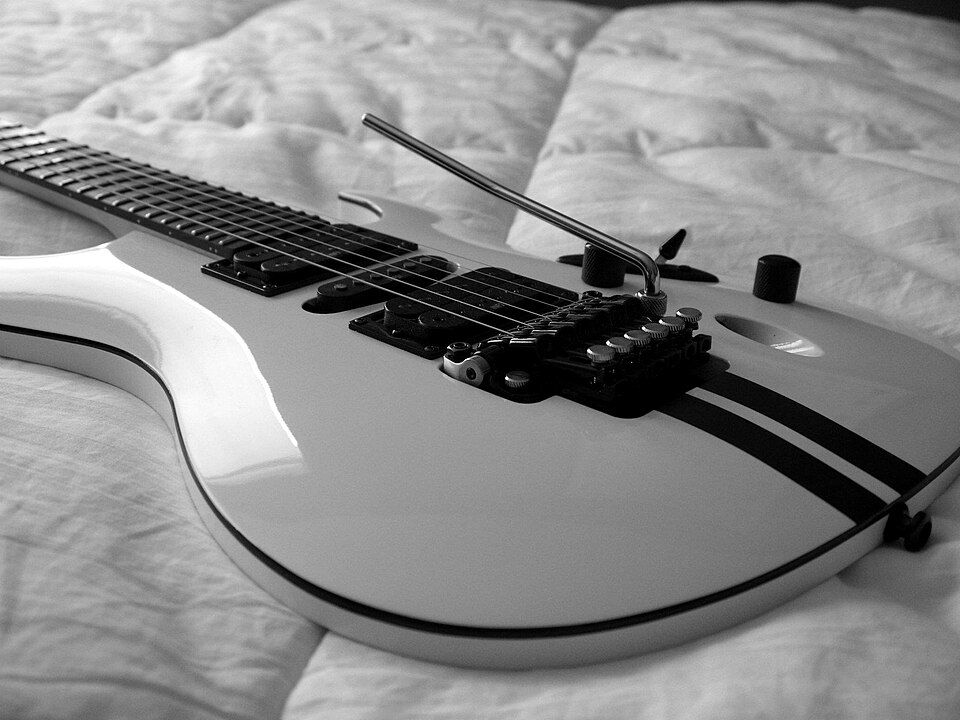
A carved top on a body so slim it looks structurally impossible. All-day comfortable, same shred spec — the RG for people who play standing up for four hours.
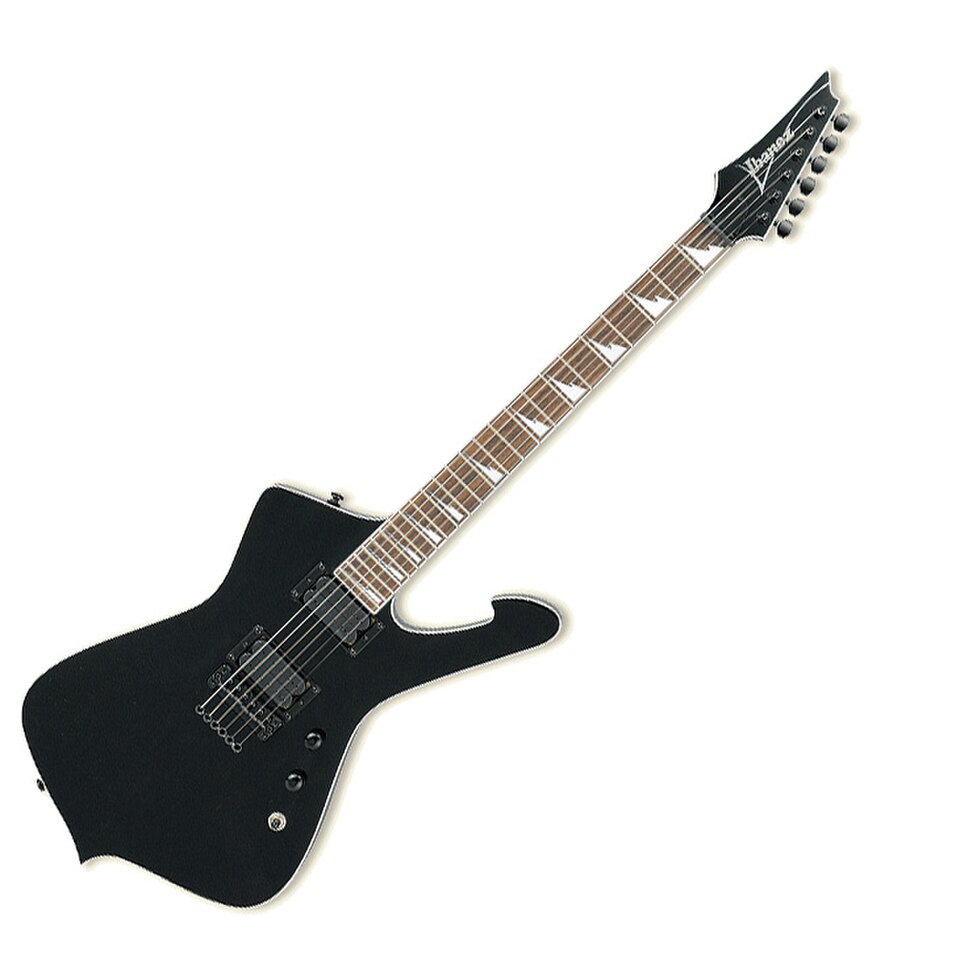
Asymmetric, chunky, faintly menacing. Proof that Ibanez could do strange as well as fast — and that a guitar can be a costume.
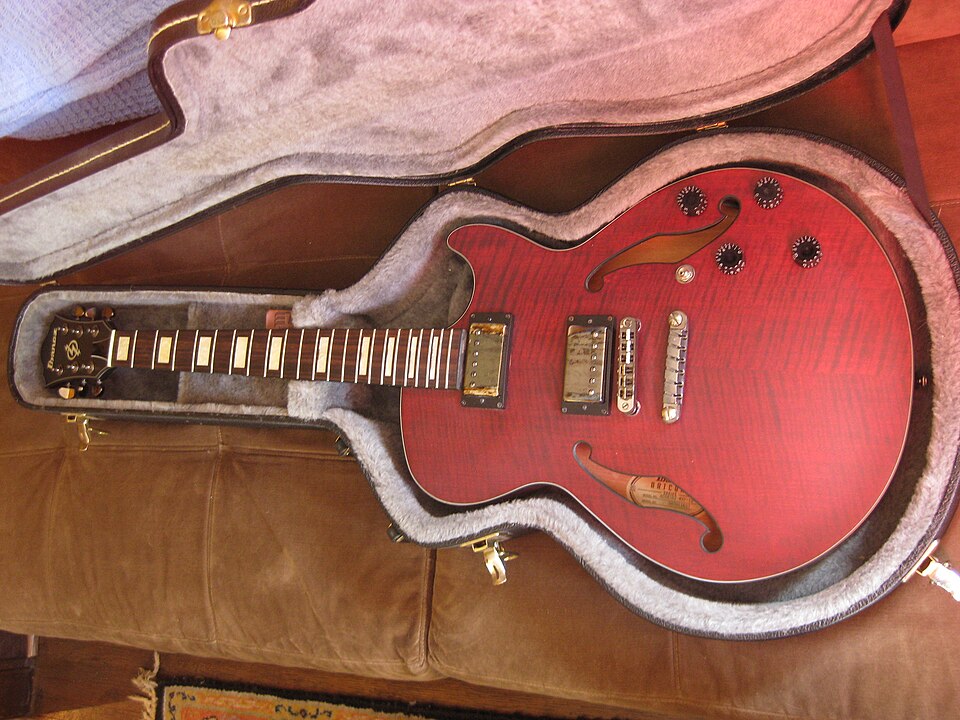
Big body, warm pickups, a price that embarrassed guitars twice as expensive. The Artcore put a proper archtop in the hands of people who had only ever owned a Strat copy.
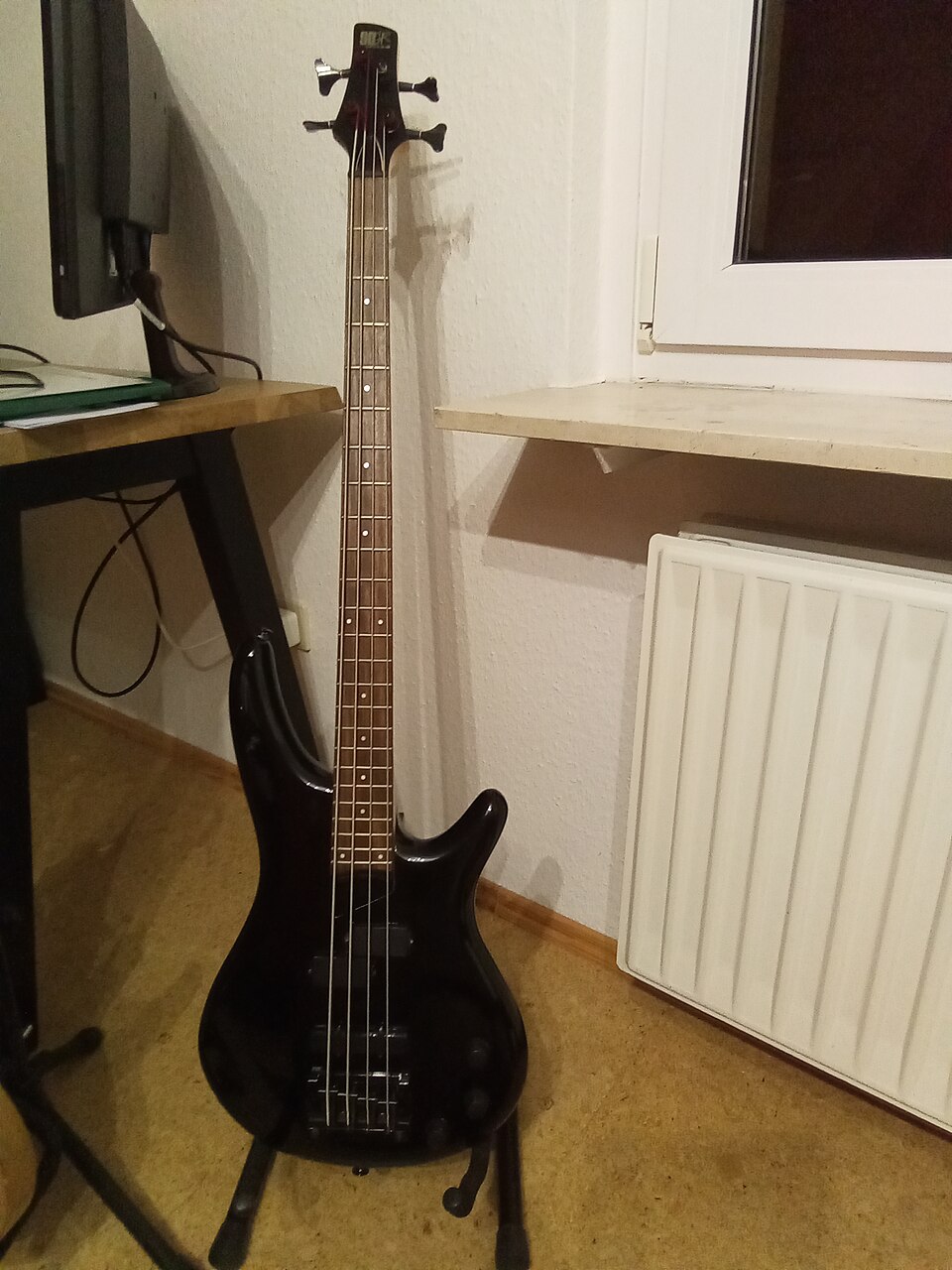
Slim neck, active EQ, a body that sits right on the strap. Soundgear made five strings ordinary and made bass players care about ergonomics.
The Wizard neck is 17 millimetres of pure intent. It doesn't ask you to be fast — it assumes you already are.— every Ibanez catalogue, in spirit
A short, biased list. Every one an Ibanez person first.